


Why You Shouldn’t Touch, Apply Makeup, or Use Sprays on a Healing Nose Piercing
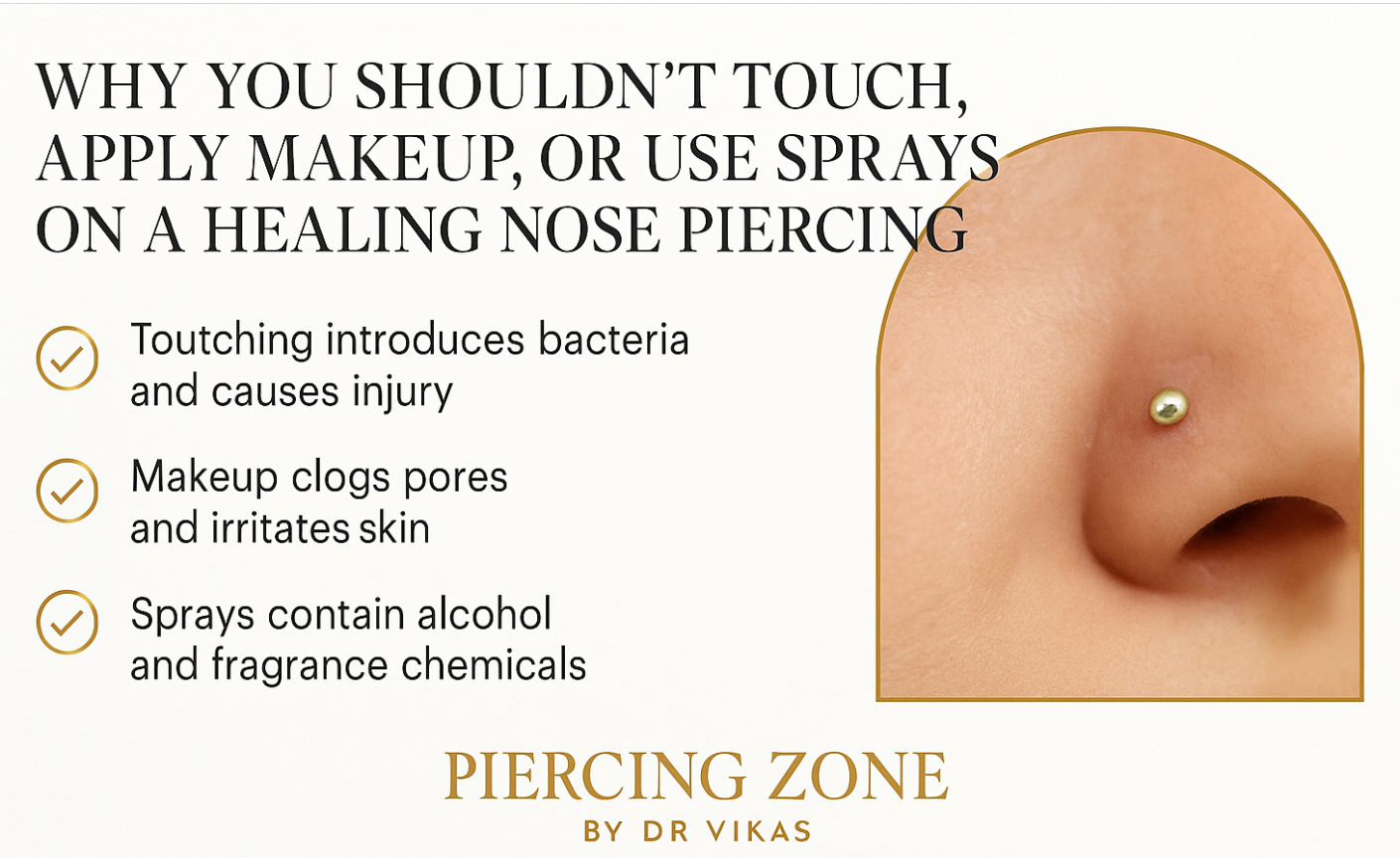
1. Introduction — A Nose Piercing Takes 6–8 Months Inside to Fully Heal
A nose piercing may look healed from the outside within a few weeks, but inside, the channel (fistula) takes 6–8 months to strengthen.
Until that time, the piercing behaves like a delicate healing wound — sensitive to bacteria, pressure, and cosmetic products.
At Piercing Zone by Dr Vikas, we use only ASTM F-136 titanium and solid 14k/18k gold for fresh piercings.
These metals are hypoallergenic and safe — so if a problem develops, it’s never because of the metal, but because of external irritation.
This is why touching, makeup, sprays, and moisturisers must be avoided during the full healing period.
2. Even when your hands “feel clean,” they carry:
Even when your hands “feel clean,” they carry:
- natural skin oils
- sweat
- dirt
- bacteria you can’t see
Every touch creates microscopic trauma, which slows healing and encourages bumps.
Why touching causes problems:
✔ Introduces bacteria → irritation or infection
✔ Causes micro-tears → swelling, soreness
✔ Pushes crusts inside the channel → blockage
✔ Rule: Once the jewellery is in, avoid touching completely.
Rule: Once the jewellery is in, avoid touching completely.
3. Makeup — One of the Main Causes of Piercing Irritation
Nose piercings sit right on the centre of the face, where makeup is commonly applied.
This is a major problem because:
Why makeup is harmful:
- Foundation and concealer clog pores around the piercing
- Powder sits inside the fistula and slows healing
- Brushes and sponges collect bacteria
- Makeup seals the area, trapping moisture and sweat
- Pigments and fillers irritate the fragile tissue
Even a tiny amount of makeup reaching the piercing opening can lead to:
✔ bumps
✔ redness
✔ crusting
✔ prolonged healing
Keep all makeup at least 1 cm away from the piercing for the full 6–8 months.
4. Setting Sprays, Perfumes & Hair Sprays — Invisible Irritants
These products release very fine mist particles that float and settle onto your face — including on your piercing.
Why sprays are dangerous:
- Alcohol causes dryness and burning
- Fragrance chemicals cause irritation and redness
- Hair spray polymers stick to the skin and block airflow
- Setting sprays contain film-forming agents that trap dirt
These droplets don’t need to be directly sprayed onto the nose — they travel through the air and settle on the piercing.
Always cover the piercing with a tissue when spraying anything.
5. Moisturisers & Skincare Products — The “Gentle” Irritants
Even gentle moisturisers can irritate a healing nose piercing because they contain:
- oils
- active ingredients
- fragrances
- essential oils
- acidic or exfoliating compounds
Why moisturisers cause issues:
- They leave a film that blocks oxygen
- They soften the healing tissue, causing micro-tears
- They alter the pH of the area
- They can seep into the fistula when the skin gets warm
If your face is dry, moisturise normally but leave a gap around the piercing.
6. Why 6–8 Months of Strict Protection Is Necessary
The nose heals from the outside inward.
The outer skin may look fine after 4–6 weeks, but the internal tunnel requires 6–8 months to become stable.
During these months, the inside is still:
- soft
- fragile
- easily irritated
- open to bacteria
- sensitive to friction and chemicals
Any makeup, touching, or chemical exposure can re-injure the tract and restart the healing timeline.
7. What You Should Do Instead
✔ Daily Care
- Clean gently with 0.9% sterile saline, twice daily
- Allow it to air dry
- Avoid twisting or pushing the jewellery
✔ For Dryness or Crust
- Gently soften crust with warm saline
- Do not pick
✔ For Temporary Redness
- Apply warm saline compress
- Reduce pressure on the area
- Avoid any skincare or cosmetic products nearby
8. Mistakes to Avoid Fully
Touching the jewellery
Applying foundation, concealer, or powder over or near the area???? Using setting spray or perfume without covering the piercing
Using setting spray or perfume without covering the piercing
Using moisturiser or serums near the nostril
Sleeping on the piercing side
Cleaning with alcohol, hydrogen peroxide, or harsh products
Changing the jewellery before 6–8 months
9. The Piercing Zone by Dr Vikas Standard — Healing With Precision
We treat piercings as medical-grade procedures, not cosmetic holes.
Our approach includes:
- implant-safe metals
- sterile environment
- advanced needle technique
- scientifically backed aftercare
Our goal is to give you a piercing that heals beautifully, with perfect symmetry and long-term comfort.
10. Conclusion — Protect It Now, Enjoy It Forever
A nose piercing is one of the most sensitive piercings to heal — but also one of the most beautiful.
By avoiding touching, makeup, sprays, and moisturisers for the first 6–8 months, you allow your body to heal smoothly and avoid bumps, infection, or delayed healing.
When done right, the result is a perfectly healed, clean, elegant piercing — for life.
Related Post
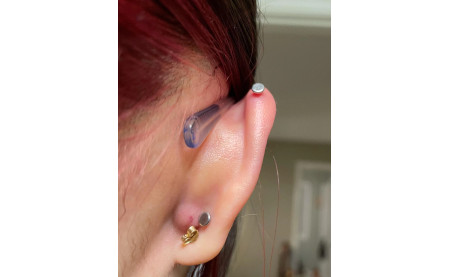
Moisture Irritation Bumps on Earlobe Piercings
Getting your ears pierced is an exciting milestone, whether it’s a child’s first pair of earrings or a new addition for an adult. While most piercings heal beautifully, sometimes unexpected issues arise — and one of the most common (and concerning-looking) issues we see at Piercing Zone By Dr. Vikas is a moisture irritation bump behind the earlobe.
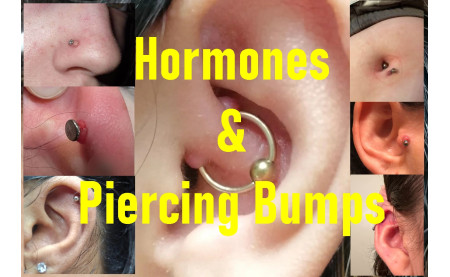
How Hormones Cause Piercing Bumps — The Science Behind Stress, Periods & Slow Healing
Even with flawless hygiene, premium titanium or gold jewellery, and a sterile environment, some clients still experience small bumps around a healing piercing. These raised areas are often mistaken for infection, but in many cases, hormones are the real culprits.
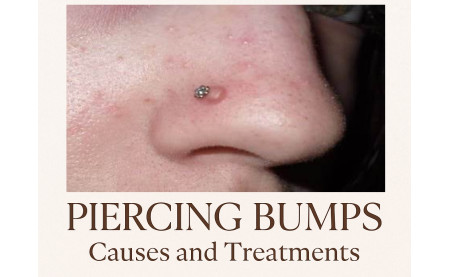
Piercing Bumps Explained — Real Causes & Real Solutions
If the bump persists beyond 3–4 weeks, the issue may be mechanical. At Piercing Zone by Dr Vikas, we assess post length, angle, and tension using medical precision. A minor change in jewellery length or shape often resolves pressure-based bumps within days.
Why Touching Your Piercing Is the Worst Thing You Can Do
One of the most common—and damaging—habits we see in clients is touching or playing with a fresh or healing piercing. While it may seem harmless to adjust, twist, or check your jewelry, this simple act can create serious complications that can delay healing, cause infections, or even lead to piercing loss.